Halloween Scary Tree: A Practical Guide to Selecting and Using the Perfect Design
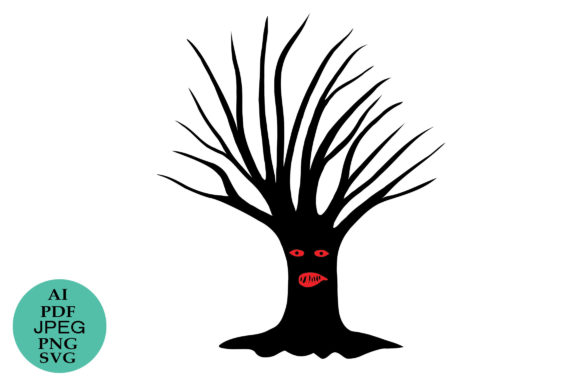
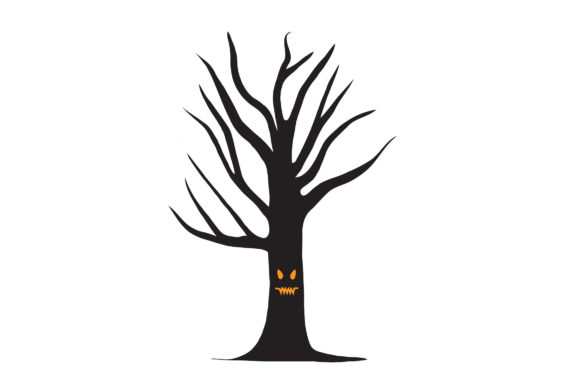
If you are looking for a centerpiece that instantly transforms a room or elevates a product line, the Halloween Scary Tree is often the first choice for designers and entrepreneurs alike. It is more than just a spooky illustration; it is a versatile graphic element that captures the essence of the season with a blend of eerie atmosphere and artistic flair. Whether you are a small business owner preparing for October sales, a blogger creating seasonal content, or a hobbyist looking to craft unique decorations, understanding the nuances of this design asset is crucial. Many people rush into downloading templates without checking critical details, leading to frustrating results that fail to meet professional standards.
The appeal of the Halloween Scary Tree lies in its adaptability. It serves as a powerful visual hook for various applications, from printed apparel and posters to digital marketing materials like flyers and banners. However, not all files claiming to be the "best" version are created equal. To ensure your projects look polished and avoid common pitfalls, you need to evaluate the quality, format, and licensing of the assets you choose. This guide focuses on helping you make informed decisions, ensuring your Halloween-themed creations stand out for the right reasons.
Understanding the Asset and Its Versatility
A high-quality Halloween Scary Tree design is typically available as a fully editable vector file. This distinction is vital for anyone planning to scale their artwork. Vector formats allow you to resize an image from a tiny icon on a greeting card to a massive banner for a store window without losing clarity. The template described here supports multiple formats, including Adobe Illustrator CS6 Version, SVG, PNG, JPEG, and PDF. Each serves a specific purpose in the workflow of creators.
For instance, if you intend to sell T-shirts or mugs through a Print-on-Demand (POD) store, having the source file in Adobe Illustrator is non-negotiable. It allows you to isolate elements, change colors to match your brand palette, and adjust the layout to fit different garment sizes. Similarly, for wall art or posters, a 300 dpi resolution is essential to prevent pixelation when printed at larger sizes. Without these specifications, your final product may appear blurry or low-resolution, which can significantly damage your reputation and customer satisfaction.
Common Pitfalls in Choosing and Applying Designs
Even experienced creators can stumble when selecting Halloween graphics. One of the most frequent mistakes is overlooking the file type requirements of the printing service. Many beginners download a standard JPEG or PNG and assume it will work perfectly for all products. While these formats are great for web use, they lack the scalability of vectors. If you attempt to stretch a raster image for a large poster, the result will be jagged and unprofessional. Always verify that your chosen Halloween Scary Tree includes vector capabilities (AI, SVG) if you plan on large-scale printing.
Another overlooked detail is the editing capability within the provided software version. Some templates are locked or saved in newer versions of Adobe Illustrator that older systems cannot open. If your computer runs an older version of the software, attempting to open a file designed for a much newer release can result in compatibility errors or missing fonts. Before purchasing or downloading, check the system requirements listed in the description. Ensuring the file is compatible with your current software setup saves hours of troubleshooting and prevents project delays.
Furthermore, many users fail to check the licensing terms associated with the design. While some assets are free for personal use, commercial use often requires a specific license. If you are using the Halloween Scary Tree to create items for sale, such as stencils, greeting cards, or POD merchandise, you must ensure you have the right to do so. Ignoring this can lead to legal issues or the removal of your products from marketplaces. Always read the fine print regarding usage rights to protect your business and creative efforts.
Impact on Quality and Professionalism
The consequences of these mistakes extend beyond simple inconvenience. Poor quality images or incorrect file formats directly affect the perceived value of your product. A blurry image on a T-shirt suggests a lack of attention to detail, causing customers to question the quality of other items in your store. In the competitive world of holiday sales, presentation is everything. A crisp, well-designed Halloween Scary Tree conveys professionalism and trustworthiness, while a poorly executed one can drive potential buyers away.
Additionally, using a design that is too generic or difficult to customize can limit your creativity. If the template does not allow you to edit the text, swap out the color scheme, or rearrange the elements like skulls, bats, or pumpkins, you lose the ability to make the design truly yours. This restriction can make your product look identical to thousands of others, reducing its uniqueness and market appeal. A good template should empower you to innovate, not constrain you.
Best Practices for Evaluation and Usage
To avoid these issues, start by examining the preview images closely. Look for signs of high resolution and clear edges. If possible, request a sample file or check the technical specifications before committing. Ensure the package includes a variety of formats to cover all your needs, from digital invitations to physical prints. A comprehensive set typically includes AI, SVG, PNG, and PDF files, giving you maximum flexibility.
When customizing the design, take advantage of the layering features in vector software. Grouping elements like the tree branches, leaves, and decorative icons separately makes it easier to manipulate them. For example, if you want to create a dark, moody version for a horror-themed event, you can easily recolor the entire composition. Conversely, if you need a lighter, festive look for a children's party, you can adjust the opacity or swap the background color. This level of control is what separates amateur designs from professional-grade artwork.
Consider the context in which the design will be used. A Halloween Scary Tree featuring bold typography and dramatic silhouettes might work best for a flyer or a wall poster. However, the same design might need simplification to work effectively on a small mug or a sticker. Always test your design at the intended size before mass production. This step ensures that intricate details remain visible and that the overall balance of the composition remains intact.
Final Thoughts on Making the Right Choice
Selecting the right Halloween Scary Tree template is about more than just finding a spooky image; it is about securing a tool that enhances your workflow and delivers high-quality results. By paying attention to file formats, software compatibility, and licensing terms, you can avoid costly errors and produce designs that truly resonate with your audience. Whether you are crafting a single greeting card or launching a full collection of seasonal apparel, taking the time to evaluate your options ensures that your creative vision is realized accurately and professionally.
Remember, the goal is to create something that brings joy and excitement to the Halloween season. With the right resources and a careful approach, your projects will reflect the spirit of the holiday while maintaining the highest standards of quality. Take the time to explore the features of your chosen template, experiment with different layouts, and let your creativity flourish. By doing so, you will not only avoid common mistakes but also elevate your work to a level that stands out in a crowded marketplace.