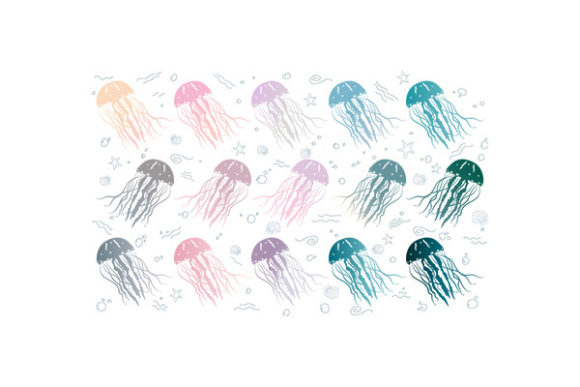
Vector of the Colorful Jellyfish: A Practical Guide to Choosing and Using This Versatile Asset
If you are looking for a way to bring the serene beauty of the ocean into your next project, a vector of the colorful jellyfish offers an incredible starting point. Whether you are designing a seamless wallpaper for a mobile app or creating fabric patterns for a summer collection, this aquatic subject matter provides endless possibilities. The appeal lies in its organic shapes and vibrant hues, which can transform a mundane design into something truly captivating. However, acquiring the right file is only half the battle; knowing how to utilize it effectively without falling into common technical traps is what separates a professional result from a disappointing one.
Many creators assume that because an image looks beautiful on a screen, it will scale perfectly to any size. This is where misunderstandings often occur. A raster image might look crisp at 72 DPI, but when you try to print it as a large backdrop or wrap a product, it turns into a blurry mess. That is why specifying formats like AI, PNG, and EPS in your listing is crucial. These vector-based files ensure that the intricate details of the jellyfish tentacles and the delicate textures of the shells remain sharp, no matter how much you stretch them. When you choose a versatile asset, you are investing in flexibility that saves time and money in the long run.
Navigating Format Confusion and Technical Pitfalls
One of the most frequent mistakes buyers make is overlooking the specific capabilities of different file types. While a PNG is excellent for web graphics with transparent backgrounds, it is not always the best choice for large-scale printing. Conversely, an EPS file is ideal for professional print shops but might require specific software to open if you are using basic design tools. If you are a beginner, you might accidentally purchase a high-resolution JPEG thinking it is a vector, only to find that you cannot edit the individual elements later.
This confusion can lead to wasted budget and frustrated workflows. Imagine spending hours creating a tropical pattern for a textile design, only to realize the file resolution is too low for the printer's requirements. To avoid this, always verify the format before downloading. Ensure that the listing explicitly states it includes AI (Adobe Illustrator) and EPS formats if you plan to modify the artwork. These editable vectors allow you to change colors, adjust the seamless repeat, or isolate specific marine animals within the composition. Without these formats, you are stuck with a static image that limits your creative potential.
The Importance of Seamless Patterns and Repeats
When working with jellyfish patterns, the concept of a "seamless" repeat is paramount. A poorly constructed pattern will show visible lines where the tiles meet, ruining the illusion of an endless underwater world. This is a common oversight in amateur designs. If you are purchasing a background for a website or a wrapping paper design, the edges must align perfectly. Before you commit to a purchase, zoom in on the preview images to check the corners. Do they blend naturally, or is there a harsh break in the nature theme?
A high-quality vector of the colorful jellyfish should allow you to create a tile that repeats infinitely without interruption. This feature is essential for textile designers who need consistent prints across yards of fabric. If the artist has not accounted for the endless nature of the pattern, you will spend hours manually fixing the seams, defeating the purpose of buying a ready-made asset. Look for descriptions that emphasize repeat and seamless capabilities to ensure the design works for your intended application.
Selecting the Right Artwork for Your Specific Needs
Not all jellyfish illustrations serve the same purpose. Some are designed with a vintage aesthetic, featuring muted tones and sketch-like lines, while others are bright and cartoonish, perfect for children's books or playful branding. It is vital to match the style of the graphic to your brand identity. Using a cute animal style illustration for a serious corporate presentation can undermine your message, just as a hand-drawn sketch might look out of place in a sleek, modern digital interface.
Another area where users often stumble is in the level of detail. A silhouette version of a jellyfish is great for logos or minimalist designs, whereas a detailed shell illustration with complex textures is better suited for educational materials or artistic backdrops. If you need a white background version for easy integration, ensure the file supports transparency. Many buyers forget to check if the color palette can be easily adjusted. In a true vector file, you should be able to recolor the entire aquatic scene instantly to match your brand's blue or tropical color scheme without losing quality.
Maximizing Usability Across Different Media
The versatility of a good design element extends beyond just visual appeal. Consider how the decoration will perform on different surfaces. A bird or feather motif might look nice alongside the jellyfish, but does the composition balance well? When combining multiple elements, such as fish, shells, and water textures, ensure the file layers are organized. Disorganized layers in an AI file can make editing a nightmare, forcing you to ungroup everything and reorganize it manually.
To save yourself frustration, always inspect the layer structure if possible. A well-prepared illustration will have grouped objects, making it easy to select a single element or a whole group of ocean animals. This organization is particularly important for freelancers and small business owners who need to deliver projects quickly. If the file is a flat image, you lose the ability to separate the sketch lines from the filled colors, limiting your ability to create variations. By choosing a structured vector file, you gain the power to adapt the artwork for marketing materials, educational resources, or personal hobby projects with ease.
Making the Final Decision with Confidence
Before finalizing your purchase, take a moment to evaluate the scope of the project. Are you creating a printable product, a wallpaper, or a fabric design? Each use case demands slightly different specifications regarding resolution and color modes (CMYK vs. RGB). A beautiful underwater scene that looks stunning on a monitor might print with dull colors if the color profile isn't managed correctly. Always confirm that the file is set up for your intended output method.
Furthermore, consider the licensing terms. Some assets are restricted to personal use only, which can be a dealbreaker for entrepreneurs looking to sell products featuring the artwork. Ensure the license allows for commercial use if you plan to monetize your creation. By taking these steps, you protect your investment and ensure that the vector of the colorful jellyfish serves as a reliable foundation for your work rather than a source of legal or technical complications.
In summary, the journey from selecting a download to executing a finished project requires attention to detail. Avoid the trap of assuming all digital art is created equal. By prioritizing the correct formats, understanding the nuances of seamless patterns, and matching the artistic style to your goals, you can leverage the full potential of this marine masterpiece. Whether you are a seasoned professional or a curious beginner, a well-chosen pattern can elevate your work from ordinary to extraordinary, bringing the magic of the sea to life in your own unique way.