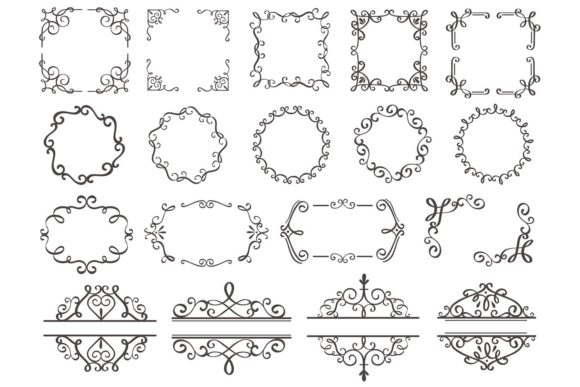
Retro Decoration Frames
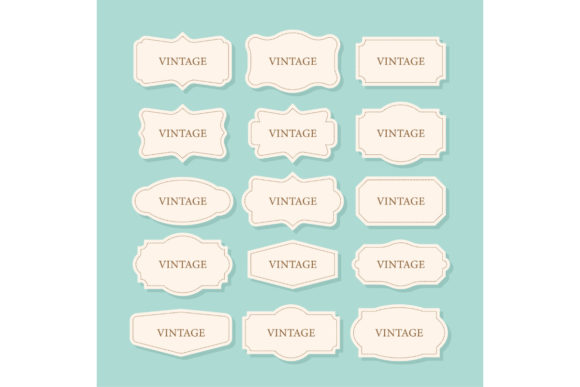
Retro Decoration Frames are more than just decorative elements—they’re a way to infuse spaces with nostalgia, elegance, and timeless charm. Whether you're designing a logo, creating a product illustration, or enhancing a print layout, these frames offer a classic aesthetic that stands out in modern design. With their vintage filigree swirls border, elegant decorative frame ornamental, and flourishing antique label ornate divider, they bring a sense of sophistication and history into any visual project.
These frames are particularly useful for designers who want to add a touch of old-world beauty without sacrificing clarity or professionalism. They can be used in a variety of industries—from publishing to branding—where a retro feel is desired but not overwhelming. The versatility of Retro Decoration Frames makes them ideal for both digital and print media, offering a cohesive look that complements many styles.
Real-World Applications of Retro Decoration Frames
In the world of graphic design, Retro Decoration Frames are often used to highlight important elements within a composition. For instance, when designing a brochure for a vintage-themed event, incorporating these frames around key information or images can draw attention while maintaining an authentic feel. Similarly, in web design, they can be used to frame call-to-action buttons, testimonials, or promotional content in a way that feels both inviting and nostalgic.
For businesses looking to create a brand identity rooted in tradition, these frames can serve as a visual anchor. A boutique selling handmade goods might use them in packaging designs or website headers to evoke a sense of craftsmanship and heritage. In the publishing industry, magazines and books focused on history, fashion, or art often employ these frames to separate sections or emphasize illustrations and photographs.
Another practical application is in educational materials. Teachers and curriculum developers can use Retro Decoration Frames to make learning resources more visually engaging. By framing diagrams, charts, or historical timelines with these ornate borders, students are more likely to stay interested and retain information.
Who Benefits from Using Retro Decoration Frames?
Graphic designers, especially those working in branding or editorial design, will find these frames invaluable. Their ability to blend seamlessly with both minimalist and maximalist layouts allows for creative flexibility. Additionally, small business owners and entrepreneurs looking to differentiate their products through unique packaging or marketing materials can leverage these frames to stand out in crowded markets.
Interior designers may also benefit from using these frames in digital presentations or mood boards. When showcasing vintage-inspired home decor concepts, including these frames in visual collages can help convey the intended atmosphere and style. Likewise, wedding planners and event coordinators might incorporate them into invitations or programs to give events a timeless, romantic feel.
Even hobbyists and DIY enthusiasts can take advantage of these frames. Whether crafting scrapbooks, creating custom calendars, or designing personal stationery, the ornate details of these frames add a level of refinement that’s hard to achieve with simpler designs.
Considerations Before Using Retro Decoration Frames
While Retro Decoration Frames are highly versatile, it's important to consider how they'll interact with the rest of your design. Overusing them can lead to clutter and distract from the main message or image. It's best to apply them selectively, focusing on areas where emphasis is needed without overwhelming the viewer.
The file format provided—EPS10—is ideal for high-quality printing and editing. If you need to modify the frames, such as adjusting the size, removing certain elements, or combining them with other graphics, using a vector editor like Adobe Illustrator is recommended. This ensures that the integrity of the design remains intact, even after edits.
Color choices also play a significant role in how effective these frames are. While the default color scheme may suit many applications, experimenting with different palettes can help tailor the frames to specific projects. For example, a muted sepia tone might work well for historical documents, while a bold gold finish could enhance luxury branding efforts.
Limitations and Potential Challenges
One potential limitation of Retro Decoration Frames is that they may not be suitable for all design contexts. In highly modern or futuristic projects, their ornate details could clash with the overall aesthetic. It's crucial to assess whether the retro vibe aligns with the intended message or theme before incorporating them.
Additionally, because they are intricate, scaling them down too much can result in loss of detail. It's important to ensure that the frames remain legible and impactful at whatever size they're being used. Testing them in different sizes and resolutions before finalizing a design is a good practice.
Lastly, while the EPS10 format offers excellent scalability and editability, users unfamiliar with vector editing tools may find it challenging to customize the frames effectively. Investing time in learning basic vector editing skills or consulting with a designer can help overcome this hurdle.
Conclusion
Retro Decoration Frames are a powerful tool for adding depth, character, and visual interest to a wide range of projects. Their ability to bridge the gap between past and present makes them a valuable asset for anyone seeking to create designs that are both stylish and meaningful. Whether you're a professional designer or a passionate hobbyist, understanding how and when to use these frames can elevate your work and leave a lasting impression on your audience.