Plants in Hanging Pots: A Versatile Way to Add Greenery to Any Space
Plants in hanging pots are a simple yet effective way to bring nature indoors or outdoors without taking up valuable floor space. Whether you're looking to spruce up your home, office, or garden, these hanging planters offer a flexible and stylish solution. With the right setup, they can transform any area into a more inviting and refreshing environment.
For those who love gardening but have limited space, hanging pots provide an excellent alternative to traditional planters. They allow you to grow herbs, succulents, flowering plants, and more in areas that might otherwise be unused—like above windowsills, on ceilings, or along walls. This makes them especially popular among urban dwellers, apartment renters, and small-space homeowners.
Where and When to Use Plants in Hanging Pots
Hanging pots can be used in various settings depending on your needs and preferences. Indoors, they work well in kitchens, bathrooms, living rooms, and offices. Outdoors, they’re perfect for patios, decks, porches, and even balconies. The versatility of these planters means you can enjoy greenery no matter where you live.
The best time to use hanging pots is during spring and summer when plants are actively growing. However, with proper care, many plants can thrive year-round. If you're using them indoors, you can enjoy fresh herbs like basil or mint throughout the year, as long as they receive enough light and water.
Decorative Macrame Hangers for Flower Pots
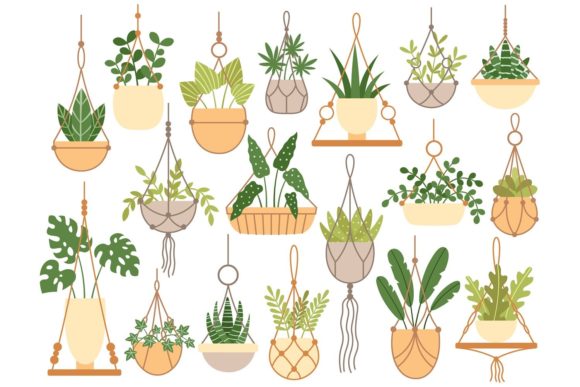
One of the most appealing aspects of hanging pots is the ability to customize them with decorative hangers. Macrame handmade hangers add a bohemian and artistic touch to any space. These hangers are not only aesthetically pleasing but also functional, providing sturdy support for your plants.
If you're looking for a unique way to display your hanging plants, consider investing in macrame hangers. They come in various styles and colors, making it easy to match them with your interior design. You can find ready-made options or create your own using simple knots and cords.
Realistic Use Cases Across Different Settings
Whether you're a busy professional, a creative hobbyist, or someone who simply enjoys having plants around, there's a place for hanging pots in your life. Let’s explore some realistic scenarios where they can make a difference:
- Urban Living: For city residents with small apartments, hanging pots are ideal for adding greenery without cluttering limited space. You can hang them from ceiling hooks or window ledges to grow herbs or small indoor plants.
- Home Offices: Hanging plants can help improve air quality and reduce stress in a home office setting. Choose low-maintenance plants like snake plants or pothos to keep your workspace fresh and calming.
- Commercial Spaces: Restaurants, cafes, and retail stores often use hanging pots to enhance their decor. They add a natural element that can attract customers and create a welcoming atmosphere.
- Educational Environments: Schools and universities can incorporate hanging plants into classrooms or common areas to promote a healthier learning environment. Students can also learn about plant care and sustainability through hands-on projects.
These examples show how versatile hanging pots can be across different environments. They're not just for decoration—they can serve practical purposes too.
Choosing the Right Plants for Hanging Pots
When selecting plants for hanging pots, it's important to consider their growth habits and light requirements. Some plants are better suited for vertical spaces than others. For instance, trailing plants like spider plants or string of pearls are perfect for hanging pots because they naturally cascade downward.
If you're new to hanging plants, start with easy-to-care-for species such as peace lilies, ZZ plants, or philodendrons. These plants are resilient and can thrive in a variety of lighting conditions. Always check the specific needs of each plant before purchasing to ensure they’ll do well in your space.
Practical Tips for Using Hanging Pots Effectively
To get the most out of your hanging pots, follow these tips:
- Ensure Proper Drainage: Make sure your pots have drainage holes to prevent water from sitting at the bottom and causing root rot.
- Use Quality Soil: Choose a well-draining potting mix that suits the type of plant you're growing. Avoid using regular garden soil, which can become compacted and hinder root growth.
- Provide Adequate Light: Most plants require several hours of indirect sunlight each day. Place your hanging pots near windows or under grow lights if necessary.
- Water Wisely: Overwatering is one of the most common mistakes when caring for plants. Check the soil regularly and only water when it feels dry to the touch.
By following these guidelines, you'll be able to maintain healthy, thriving plants in your hanging pots for years to come.
Designing with Vector Files for Hanging Pot Decorations
If you're interested in creating custom designs for your hanging pots, vector files can be a great resource. A product file containing an EPS10 vector format allows for high-quality editing and customization. This makes it easy to separate elements, remove unwanted parts, or edit details using software like Adobe Illustrator.
Vector icons related to garden decoration, planting flowers, and planter pots can be used to design labels, packaging, or promotional materials. These files are scalable and maintain clarity at any size, making them ideal for both digital and print use.
Whether you're a designer, marketer, or small business owner, having access to vector graphics can help you create visually appealing content that stands out. You can use these icons to illustrate blog posts, social media updates, or product listings related to hanging pots and plant care.
Remember, when working with vector files, always use a reliable vector editor to ensure the best results. This will help you achieve professional-looking designs that reflect your brand or project's style.