Meat Knives: Redefining Culinary Precision and Digital Design Assets for Modern Creators
In the rapidly evolving landscape of culinary arts and digital design, the intersection of functional tools and creative assets has never been more significant. Meat Knives represents a specialized collection that bridges the gap between professional kitchen utility and high-quality graphic resources. While the name suggests a focus on butchery and food preparation, the true value of this collection lies in its versatility as a design element. It offers professionals, creators, and entrepreneurs a unique opportunity to craft educational materials, decorative elements, or branding assets that resonate with themes of craftsmanship, precision, and culinary excellence.
This article explores the multifaceted nature of the Meat Knives collection, examining how it fits into broader industry trends, why it is gaining traction among designers and marketers, and how it addresses the changing needs of modern workflows. By understanding the context behind these tools, stakeholders can better leverage them to create impactful content.
The Intersection of Functionality and Aesthetic Design
To understand the significance of Meat Knives, one must first appreciate the dual role these objects play. In a traditional sense, knives are instruments of transformation. They turn raw ingredients into refined meals, requiring a specific set of skills and an eye for detail. However, in the digital realm, the image of a knife carries a powerful symbolic weight. It represents sharpness, clarity, and the ability to cut through complexity.
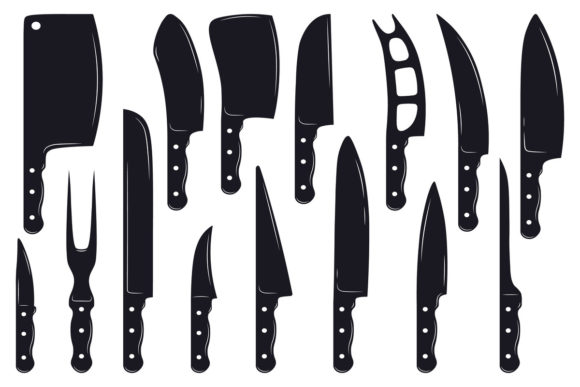
The Meat Knives collection capitalizes on this symbolism. Comprising various shapes and styles fit for any purpose in the kitchen, these designs are not merely illustrations; they are representations of quality and utility. For creators looking to produce educational material, such as cooking tutorials, culinary blogs, or safety guides, having access to a diverse range of knife designs ensures accuracy and visual appeal. The collection allows users to depict specific techniques, from delicate filleting to robust chopping, with a level of authenticity that generic clip art cannot match.
Furthermore, the aesthetic potential extends beyond education. As decorative elements for the kitchen, these designs serve a lifestyle function. In an era where home kitchens have become central hubs for entertainment and social media sharing, the visual identity of the space matters. Using these designs to create signage, wall art, or packaging for artisanal food products adds a layer of sophistication that appeals to the modern consumer's desire for authenticity.
Catering to Diverse Professional Needs
The versatility of the Meat Knives collection makes it particularly relevant for a wide array of professionals. Entrepreneurs launching food-related startups often struggle to find branding assets that convey both professionalism and approachability. This collection provides a solution by offering a variety of styles that can be adapted to different brand voices. Whether a business focuses on high-end charcuterie or rustic farm-to-table dining, there is a design within the collection that aligns with their ethos.
Marketers and freelancers also benefit from the flexibility inherent in this resource. In a crowded digital marketplace, capturing attention requires more than just catchy copy; it demands strong visual storytelling. The ability to use these knife designs in infographics, social media campaigns, or email newsletters allows marketers to communicate complex ideas quickly. For instance, a "cutting edge" marketing campaign could utilize the sharp imagery of the knives to metaphorically represent innovative strategies.
For educators and content creators, the collection serves as a foundational tool for developing curriculum. When teaching culinary arts, the distinction between different types of knives is crucial. The Meat Knives set, with its emphasis on variety and style, supports this learning process by providing clear, distinct visuals that help students differentiate between tools. This practical application underscores the importance of having accurate, high-quality resources in the hands of those who teach.
Aligning with Contemporary Trends and Consumer Expectations
The rising interest in Meat Knives as a design asset is not accidental; it reflects broader shifts in consumer behavior and industry standards. One of the most prominent trends in recent years is the "maker movement," which emphasizes the value of handmade goods, craftsmanship, and the stories behind products. Consumers are increasingly drawn to brands that highlight the tools and processes used to create their offerings. By incorporating detailed knife designs into their visual identity, businesses can tap into this sentiment, signaling a commitment to quality and tradition.
Additionally, the digitalization of culinary content has accelerated the need for high-resolution, versatile graphics. As video content becomes the dominant medium for sharing recipes and cooking tips, static images still play a vital role in thumbnails, blog headers, and promotional materials. The Meat Knives collection addresses this need by offering files that are optimized for various uses. The inclusion of an EPS10 file ensures that professionals can scale these images without losing quality, a critical feature for responsive web design and large-format printing.
Moreover, the trend towards personalization and customization in the kitchen mirrors the demand for customizable design assets. Just as consumers seek out personalized cookware, designers and businesses look for assets that can be tailored to their specific needs. The variety of shapes and styles found in this collection allows for a degree of customization that generic stock photography simply cannot provide. This adaptability is essential in a market where standing out is paramount.
Technical Specifications and Workflow Integration
From a technical standpoint, the Meat Knives collection is designed to integrate seamlessly into professional workflows. The product contains two primary components: one EPS10 file and a 72ppi resolution JPEG preview. Each format serves a specific purpose, ensuring that users have the right tool for the job at hand.
The EPS10 (Encapsulated PostScript) file is a vector-based format that is indispensable for graphic designers and printers. Unlike raster images, which lose quality when resized, vector files maintain crisp edges and clean lines regardless of scale. This makes the Meat Knives collection ideal for creating everything from small social media icons to large-scale banners. Professionals can easily modify colors, adjust dimensions, and combine elements with other graphics, facilitating a dynamic and efficient design process.
The accompanying JPEG preview, rendered at 72ppi, serves as a quick reference for users. While not suitable for high-resolution print work, it is perfect for screen-based applications, such as website mockups, presentations, or internal reviews. Having a preview file allows teams to visualize the final product before committing to the full vector file, streamlining the approval process and reducing the back-and-forth communication often associated with design projects.
The Future of Culinary Design Assets
As we look toward the future, the role of specialized design assets like Meat Knives will likely expand. The convergence of physical and digital experiences is becoming more pronounced, with augmented reality (AR) and virtual reality (VR) opening new avenues for interactive content. Imagine a cooking app where users can interact with a 3D model of a knife to learn proper grip techniques, or a virtual kitchen tour where every tool is rendered with the precision found in this collection.
The relevance of these assets will also grow as sustainability and transparency become even more central to consumer decision-making. Brands that can visually communicate their supply chain, from the sourcing of ingredients to the tools used in preparation, will have a competitive advantage. The Meat Knives collection provides the visual language necessary to tell these stories effectively.
In conclusion, the Meat Knives collection is more than just a set of graphics; it is a strategic resource for anyone involved in the culinary or design industries. Its ability to bridge the gap between functional utility and aesthetic expression makes it a valuable addition to the toolkit of professionals, creators, and enthusiasts alike. By embracing the diversity and precision offered by this collection, stakeholders can enhance their content, engage their audiences, and stay ahead of the curve in an ever-changing market.
Whether you are designing a menu, creating a tutorial, or building a brand identity, the insights provided by the Meat Knives collection offer a path forward. It reminds us that in both the kitchen and the digital workspace, the right tool can make all the difference. As the industry continues to evolve, those who leverage high-quality, versatile assets will be best positioned to thrive.