Kitchen Sweet Kitchen: A Practical Resource for Crafting and Home Decor
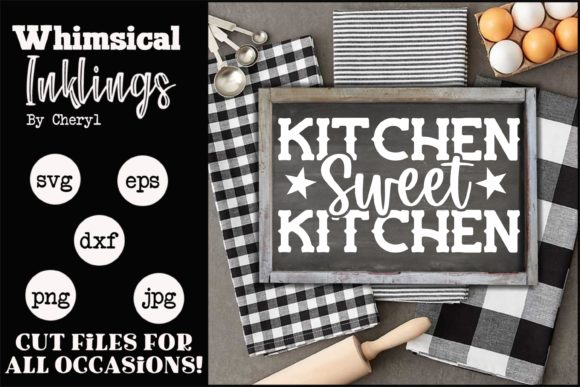
In the current landscape of digital crafting and small business creation, finding high-quality assets that bridge the gap between aesthetic appeal and technical usability is a persistent challenge. Kitchen Sweet Kitchen emerges as a specific solution within this niche, designed to serve creators who are looking for a new kitchen sign design or those seeking to expand their inventory of home decor items. This resource provides a versatile illustration ready for immediate application in sign making and various crafting projects.
The core value proposition of Kitchen Sweet Kitchen lies not just in the visual design itself, but in the comprehensive file formats it offers. By providing illustrations in PNG, SVG, EPS, and DXF, the resource caters to a wide spectrum of hardware and software ecosystems. Whether you are operating a laser cutter, a vinyl plotter, or simply printing on canvas, having access to multiple vector and raster formats ensures that the workflow remains uninterrupted. This flexibility is often the deciding factor for professionals and serious hobbyists who cannot afford compatibility issues mid-project.
Understanding the Core Asset and Its Purpose
Kitchen Sweet Kitchen is fundamentally a digital asset intended for commercial and personal decoration. The primary use case involves transforming this illustration into physical products such as wooden decorative signs, kitchen wall signs, and decals. Unlike generic clip art that may require significant modification before it can be used effectively, this design is presented as a finished concept ready for production.
For entrepreneurs running Etsy shops or local craft businesses, the efficiency of using a pre-prepared asset like this is substantial. It reduces the time spent on graphic design and allows the creator to focus on finishing touches, marketing, and customer service. The phrase "Kitchen Sweet Kitchen" serves as a thematic anchor, evoking a sense of warmth and hospitality that resonates well with the target demographic for home decor. However, the utility extends beyond just the text; the structural integrity of the design matters when converting it into a physical object.
Technical Specifications and File Formats
The availability of four distinct file formats is a critical strength of this resource. Each format serves a specific function in the production pipeline:
- SVG (Scalable Vector Graphics): This is the industry standard for cutting machines. SVG files allow for infinite scaling without loss of quality, making them essential for creating crisp edges on wooden signs or precise cuts on vinyl decals.
- EPS (Encapsulated PostScript): Widely supported by professional design software like Adobe Illustrator, EPS files are ideal for users who need to manipulate the design further, adjust colors, or integrate it into larger layouts before sending it to a cutter.
- DXF (Drawing Exchange Format): This format is particularly vital for CNC routers and laser cutters that rely on specific coordinate data. If your workflow involves heavy machinery, the inclusion of a DXF file ensures direct compatibility.
- PNG (Portable Network Graphics): For users who prefer printing rather than cutting, or for those using machines that do not support vector paths, the PNG version provides a high-resolution raster image suitable for direct printing on materials.
It is important to note that while these formats offer broad compatibility, the user must ensure their cutting machine supports one of these formats. Older models or budget-friendly devices might have limitations regarding file types, so verifying hardware capabilities before purchase is a prudent step.
Real-World Application and Performance
When evaluating how Kitchen Sweet Kitchen performs in real-world scenarios, consistency and reliability are paramount. In a professional setting, a single error in the file structure can lead to wasted materials and lost time. The inclusion of both vector and raster options mitigates this risk. If a user encounters an issue with the SVG file, they can immediately switch to the EPS or DXF version without needing to recreate the design from scratch.
The practical value becomes evident when considering the end product. Wooden decorative signs require clean lines to prevent splintering or uneven cuts, which is where the vector precision of SVG and DXF files shines. Conversely, if the project involves printing the design onto a metal sign or a ceramic tile, the PNG file ensures that the resolution is sufficient to maintain clarity. This dual approach to delivery demonstrates a thoughtful consideration of the diverse needs within the crafting community.
Furthermore, the design's adaptability allows for creative variations. A creator might use the SVG to cut out letters from wood and paint them separately, or they might use the PNG as a stencil for spray painting. The ability to repurpose the same asset across different mediums increases the return on investment for the buyer.
Audience Fit and Strategic Use Cases
This resource is particularly well-suited for several distinct groups within the creative economy. Small business owners who specialize in home decor will find Kitchen Sweet Kitchen useful for rapidly prototyping new products or filling gaps in their seasonal collections. The "kitchen" theme is perennially popular, but standing out requires high-quality execution, which this asset facilitates.
Freelancers and marketers working on branding for cafes, bakeries, or home goods stores may also benefit. They can use the illustration to create mockups for social media campaigns or to produce signage for client locations. The versatility of the formats means that a single purchase can support both digital marketing assets and physical deliverables.
For educators and bloggers focusing on DIY crafts, this content serves as a tangible example of how digital assets translate into physical reality. It provides a concrete case study for teaching students about file formats, material selection, and the importance of preparation in the crafting process.
Potential Limitations and Considerations
While the resource offers significant advantages, there are realistic considerations to keep in mind. The design is static; it does not include editable layers for customizing the text unless specified otherwise. Users looking to change the wording from "Kitchen Sweet Kitchen" to something else would need to possess advanced vector editing skills or use a separate tool to modify the text layer, assuming the source file allows it.
Additionally, the success of the final product depends heavily on the quality of the materials used. A perfect SVG file cannot compensate for poor-quality wood or low-grade vinyl. Creators must balance the digital asset with their supply chain choices to achieve the best results. Finally, the requirement for specific machine support means that casual users with basic printers might find the vector formats less immediately useful compared to the PNG option.
Evaluating Long-Term Value
In the context of long-term value, Kitchen Sweet Kitchen represents a cost-effective entry point into the home decor market. Rather than investing in expensive design software or hiring a graphic designer for a single sign concept, acquiring a pre-made, multi-format asset streamlines the process. For businesses aiming to scale, the ability to quickly produce consistent, high-quality signs is a competitive advantage.
The objective nature of this resource lies in its functionality. It does not promise to make a business successful overnight, nor does it rely on exaggerated claims about viral potential. Instead, it provides the necessary tools—clean files, reliable formats, and a relevant design—to help users execute their own vision. When integrated into a solid workflow, it enhances productivity and reduces the friction associated with digital-to-physical transitions.
Ultimately, whether Kitchen Sweet Kitchen fits your needs depends on your specific goals and technical setup. If you are looking to create kitchen wall signs, decals, or wooden decorative signs and possess the appropriate equipment to handle SVG, EPS, DXF, or PNG files, this resource offers a practical and efficient solution. It stands as a testament to the growing accessibility of professional-grade assets for independent creators and established businesses alike.