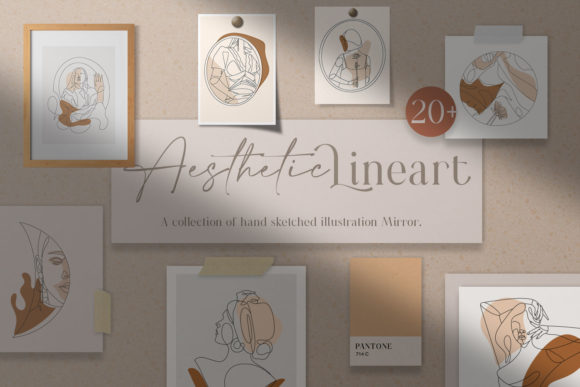
Aesthetic Mirror Line Art: Strategic Visuals for Professional Growth
In a digital landscape saturated with generic stock photography and algorithmic design templates, aesthetic mirror line art offers a distinct advantage for brands and individuals seeking to stand out. This style is not merely decorative; it represents a deliberate choice in visual communication that balances minimalism with sophistication. By presenting a careful picture of our great works through hand-drawn graphic elements, we create an atmosphere of authenticity that resonates deeply with modern audiences.
For entrepreneurs, marketers, and creative professionals, the decision to incorporate Aesthetic Mirror Line Art into your workflow should be driven by strategic intent rather than fleeting trends. When applied correctly, these artistic graphics serve as powerful tools for positioning, branding, and enhancing the customer experience. They transform mundane business materials into memorable assets that communicate quality, attention to detail, and a commitment to craftsmanship.
The Strategic Value of Hand-Drawn Minimalism
The core appeal of Aesthetic Mirror Line Art lies in its ability to distill complex ideas into simple, elegant forms. Unlike hyper-realistic imagery which can sometimes feel distant or overly commercial, line art invites the viewer to engage their imagination. It acts as a visual pause button in a fast-paced feed, encouraging users to stop scrolling and absorb the message.
From a branding perspective, this style signals a high level of curation. When you use hand-drawn illustrations for your fashion magazine poses, logos, or business cards, you are implicitly telling your audience that you value human touch over automated generation. This distinction is crucial for small business owners and freelancers who need to differentiate themselves from larger competitors relying on mass-produced content.
- Authenticity: Hand-drawn elements convey a sense of personal investment and care that algorithms cannot replicate.
- Versatility: These graphics adapt seamlessly across various mediums, from physical decorative frames to digital social media templates.
- Focus: The absence of distracting colors or textures forces the viewer to focus on the essential lines and the core message.
Integrating Line Art into Business Operations and Planning
Thinking about Aesthetic Mirror Line Art solely as a marketing asset limits its potential. In the realm of planning and operations, these visuals can serve as effective cognitive aids. For educators, bloggers, and project managers, incorporating clean line drawings into presentations, workshop materials, or instructional guides can significantly improve information retention.
When creating a project plan or a roadmap, dense text often leads to reader fatigue. Replacing bullet points with graphic representations using line art can clarify processes and highlight key milestones. This approach supports better decision-making by making complex data more accessible and visually engaging. For instance, a fashion designer might use line art sketches to communicate a collection's theme to stakeholders before moving to production, ensuring everyone aligns on the aesthetic direction without the distraction of color variations.
Furthermore, in the context of product development, using line art for prototypes or concept boards allows teams to iterate quickly. It strips away the noise of final rendering, focusing the discussion on structure, form, and function. This strategic application ensures that resources are allocated efficiently, reducing the risk of costly revisions later in the process.
Enhancing Customer Experience Through Visual Storytelling
Your customers do not just buy products or services; they buy experiences. The visual language you choose plays a pivotal role in shaping that perception. Aesthetic Mirror Line Art creates an environment of calm and elegance, which is particularly effective for businesses in the lifestyle, wellness, and luxury sectors.
Consider the impact of using these graphics in your packaging or on your website's landing pages. A poster featuring a fashion magazine pose rendered in delicate line work suggests sophistication and timelessness. It elevates the perceived value of the item being sold. Similarly, when used in social media templates, these images help maintain a cohesive brand identity that feels curated and intentional.
To maximize this effect, consistency is key. Whether you are designing a logo or a set of business cards, ensure that the line weight, style, and mood remain uniform. This consistency builds trust. When a client sees the same high-quality aesthetic across every touchpoint—from your email signature to your physical office decor—they perceive your brand as reliable and professional.
Practical Applications Across Industries
The utility of line art extends far beyond the art world. Here is how different professionals can leverage this style to achieve specific goals:
- Entrepreneurs and Startups: Use line art for pitch decks to present innovative ideas with clarity. Clean graphics help investors visualize the problem and solution without getting lost in cluttered slides.
- Marketers and Content Creators: Develop unique social media templates that break the monotony of standard photo grids. Hand-drawn elements can highlight calls to action or feature testimonials in a way that feels personal and inviting.
- Educators and Trainers: Create diagrams and infographics that simplify complex theories. The "mirror" aspect of the art—reflecting reality through abstraction—can help students grasp abstract concepts more easily.
- Retailers and Designers: Incorporate decorative frames and posters into store layouts to guide foot traffic and create focal points. This enhances the in-store experience and encourages longer dwell times.
Navigating Risks and Avoiding Common Pitfalls
While the benefits of Aesthetic Mirror Line Art are significant, relying on it without a clear strategy can lead to suboptimal results. One common mistake is using line art where bold, colorful imagery is required to evoke urgency or excitement. If your goal is to drive immediate sales through a high-energy flash sale, a minimalist line drawing may fail to capture attention effectively.
Another risk involves scalability and resolution. Because line art relies on fine details, printing these graphics at low resolutions can result in jagged edges that look unprofessional. Always ensure that your hand-drawn files are vector-based or sufficiently high-resolution before committing them to large-scale prints like banners or billboards.
Additionally, there is a danger of over-stylization. If every piece of content looks too similar, the brand risks becoming monotonous. It is essential to balance line art with other visual elements such as typography, photography, and whitespace. The goal is to let the art breathe, not to dominate every inch of your canvas.
Making Intentional Decisions About Visual Assets
Before commissioning or creating new Aesthetic Mirror Line Art, ask yourself what you hope to achieve. Are you trying to build authority? Simplify a complex process? Or perhaps create a sense of exclusivity? Your answer will dictate the style, complexity, and placement of the artwork.
For long-term results, treat your visual assets as part of a broader ecosystem. Just as you would audit your financial statements or review your operational workflows, regularly evaluate your visual identity. Does the current line art still reflect your brand's evolution? Is it resonating with your target demographic? Be willing to adapt. What worked for a launch campaign might need refinement for a mature brand phase.
Collaboration is also vital. When working with artists or designers, provide clear briefs that outline the strategic objectives. Instead of simply saying "make it pretty," explain that you need a graphic that communicates reliability and precision. This alignment ensures that the final output serves your business goals rather than just looking nice.
Conclusion: Elevating Your Brand Through Thoughtful Design
In the end, Aesthetic Mirror Line Art is a tool for those who understand the power of restraint. It is a choice made by professionals who know that less is often more. By carefully integrating these hand-drawn, graphic elements into your projects, you can elevate your brand's narrative, streamline your communications, and leave a lasting impression on your audience.
Whether you are crafting a new logo, designing a magazine template, or simply decorating your workspace, remember that every line has a purpose. Approach these artistic decisions with the same rigor you apply to your business strategy. When you combine the beauty of hand-drawn art with the discipline of sound planning, you create outcomes that are not only visually stunning but strategically superior.